
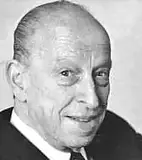
Singer: Héctor VARELASinger 2: Rodolfo LesicaComposer: Eduardo PereyraAuthor: Celedonio Flores
More by Héctor VARELA
Fueron tres años
Héctor VARELA
tango97 videos
Una lagrimita
Héctor VARELA
vals86 videos
Fueron tres años
Héctor VARELA
tango74 videos
Historia de un amor
Héctor VARELA
tango67 videos
Y todavía te quiero
Héctor VARELA
tango46 videos
Pa' que te oigan bandoneón
Héctor VARELA
tango37 videos
Muchacha
Héctor VARELA
tango32 videos
Qué tarde que has venido
Héctor VARELA
tango25 videos
Lyrics
La moza más linda del barrio orillero,
bonita y con fama de alegre y coqueta,
que fue la querida de aquel guitarrero
matón y biabista, cantor y poeta.

Tristemente evoca el recuerdo querido
de amores lejanos y triunfos fugaces,
es que ella no ignora que tuvo un marido
que fue, entre los guapos, el as de los ases.

El as porque nunca en los entreveros
lo vieron los taitas ponerse amarillo,
se dio todo entero y su ágil visteada
remató en la marca de su fiel cuchillo.
Y cuando cantaba, más bien parecía
su canto una airada protesta de pena,
a la novia mala, que no lo quería,
y a su madrecita, viejcita y buena.

El destino ingrato, que no tuvo halago
para su existencia ruin y atravesada,
tradicionalmente se creyó un rezago
de gaucho bandido, perseguido y paria.

Por eso en las noches templadas de luna
pulsó su vigüela bajo el emparrado
y en una milonga deshojó, una a una,
las rosas marchitas del viejo pasado.

Por eso la viola ya no es en la pieza
nada más que un mueble que adorna lujoso.
Su dueño, una noche, en gaucha proeza
cayó bajo el plomo mortal de un bufoso.
Por eso la moza del barrio orillero,
bonita y con fama de alegre y coqueta,
recuerda a su guapo, aquel guitarrero,
cantor y biabista, matón y poeta.
English translation
The prettiest girl in the neighborhood,
pretty and with a reputation for cheerfulness and flirtatiousness,
who was the beloved of that guitar player
and a bully, a singer and a poet.

Sadly, she evokes the dear memory
of distant loves and fleeting triumphs,
is that she does not ignore that she had a husband
who was, among the handsome, the ace of aces.

The ace because never in the entreveros
the taitas saw him turn yellow,
he gave his all and his agile dressing
ended in the mark of his faithful knife.
And when he sang, it seemed more like
his song seemed more like an angry protest of sorrow,
to the bad bride, who didn't love him,
and to his little mother, old and good.

The ungrateful destiny, which had no flattery
for his dastardly and traversed existence,
was traditionally believed to be a remnant
of a bandit gaucho, persecuted and outcast.

That is why on warm moonlit nights
he pressed his vigüela under the bower
and in a milonga he plucked, one by one,
the withered roses of the old past.

That is why the viola is no longer in the room
nothing more than a luxurious piece of furniture.
Its owner, one night, in a gaucho prowess
fell under the deadly lead of a buffoon.
That's why the girl from the neighborhood on the outskirts,
pretty and with reputation of cheerful and flirtatious,
remembers her handsome, that guitar player,
singer and biabista, bully and poet.